Suburbs Grapple With Micromobility: The Central Ohio Policy Matrix

As Worthington prepares for an Oct. 5, 2026 public hearing on Ordinance No. 31-2026, suburbs across Franklin and Delaware counties are adopting divergent rules for e-bikes and e-scooters to fill Ohio's state-level statutory vacuum.

Verified municipal records as of September–October 2026
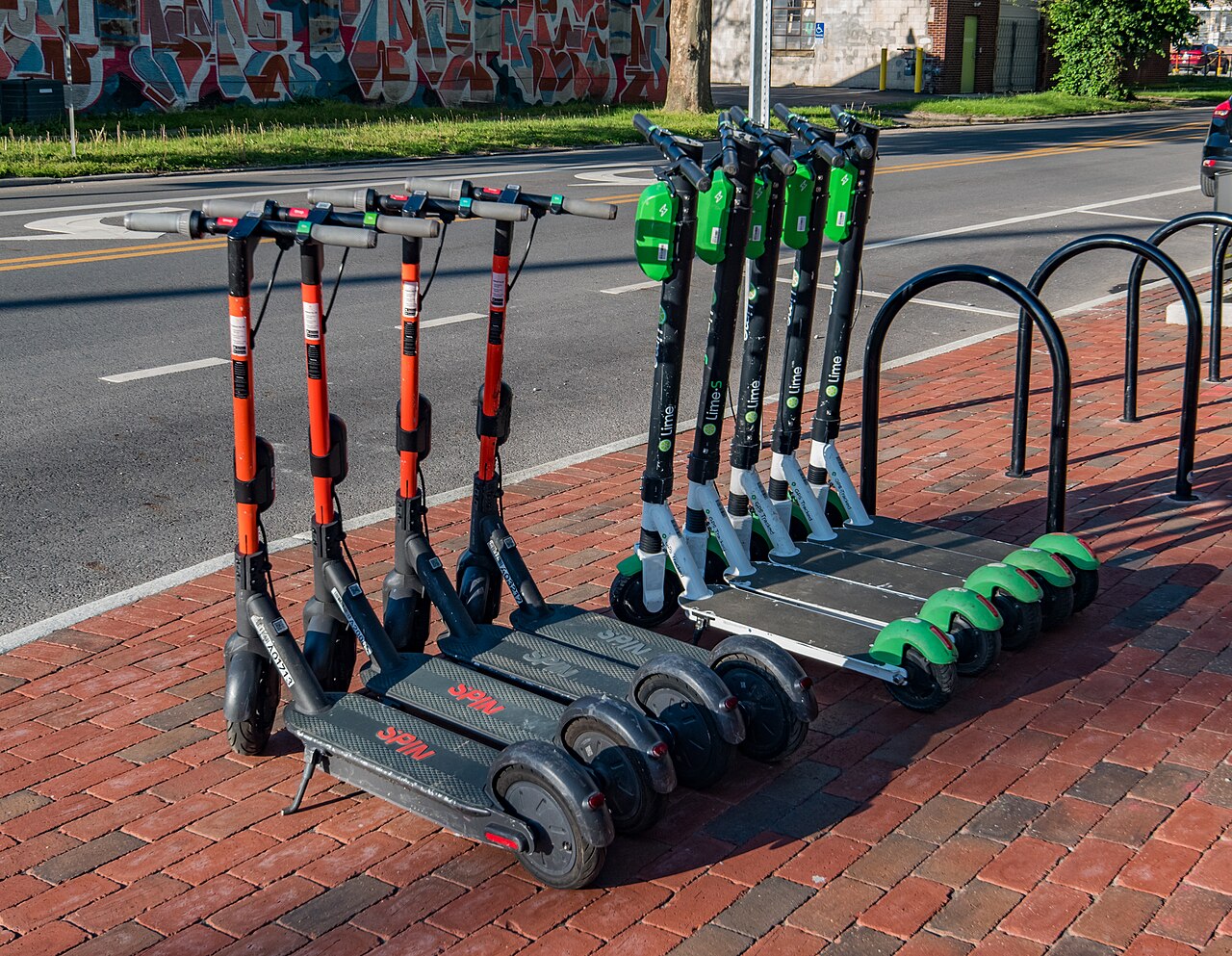
Electric scooters parked in a row on a red brick sidewalk in Columbus, Ohio
Electric kick-scooters on a Central Ohio sidewalk. Rapid consumer adoption has outpaced state standards under ORC 4511.01.

Central Ohio Micromobility Regulations Matrix

Compare rules across 5 benchmark municipalities: Worthington, Canal Winchester, Sunbury, Upper Arlington, and Hilliard. Use filters below to isolate specific policy categories or search keywords across ordinances.

Filter by Policy Dimension
Toggle Municipalities
Policy Dimension
Worthington Ord. 31-2026 (Hearing Oct 5)
Canal Winchester OTH-26-011 (Drafting)
Sunbury Ord. 2026.23 (Tabled/Pending)
Upper Arlington Ord. 27-2026 (5th Reading)
Hilliard Codified Code (Benchmark)

Parental Liability vs. Youth Educational Diversion

Central Ohio suburban councils agree on safety needs but diverge sharply on who bears legal accountability: holding parents criminally liable or prioritizing juvenile educational diversion and helmet incentives.

Adult Accountability Model

Parental Criminal Liability

Hilliard Upper Arlington Obetz

Shifts legal consequences to parents and guardians who knowingly or recklessly permit minors to operate e-bikes or e-scooters in violation of municipal safety rules.

  • First Offense: Minor misdemeanor citation issued directly to the parent or legal guardian.
  • Repeat Offenses Within 1 Year: Escalates to criminal misdemeanors of the 4th degree, and 3rd degree for subsequent violations.
  • Operational Rationale: Law enforcement avoids issuing criminal citations to children under 14; adults are held legally responsible for equipment access and helmet adherence.
  • Regional Reference: Cited by Canal Winchester Mayor Joe Steager during Sept. 8, 2026 council deliberation as an effective model for neighborhood accountability.
“In the City of Hilliard, they are issuing citations to parents.” — Joe Steager, Mayor of Canal Winchester (Council Minutes, Sept. 8, 2026)
Restorative Safety Model

Educational Diversion & Purchase Dismissal

Worthington Canal Winchester (Sheriff)

Prioritizes juvenile behavioral correction, equipment acquisition, and positive policing reinforcement rather than criminal penalties for youth or parental prosecution.

  • Proof-of-Purchase Dismissal (Worthington): First-time juvenile helmet citations are dismissed entirely if the rider presents proof of purchasing a CPSC-approved helmet to the City Prosecutor within 30 days.
  • Safety Course Diversion: Judges and prosecutors may mandate completion of an approved bicycling safety skills course in lieu of or in addition to fines.
  • Positive Reinforcement (Fairfield County Sheriff): Deputies favor educational warnings and positive incentives, partnering with local merchants to distribute coupons for riders caught wearing helmets.
  • Avoidance of Policing Trauma: Designed so children do not develop early fear of law enforcement interactions.
“I really don’t want to give a 10-year-old kid a ticket for riding a scooter where they shouldn’t be.” — Sgt. Strawn, Fairfield County Sheriff's Office (Canal Winchester Council, Sept. 8, 2026)

Speed Ceilings and Permitted Facilities

Worthington's proposed Ordinance No. 31-2026 sets explicit speed limits across distinct rights-of-way to protect vulnerable pedestrians while accommodating commuting e-devices.

Comparative Speed Ceilings (MPH)

Facility Access Matrix: Worthington Ordinance No. 31-2026

Permitted (8 mph Max)

Public Sidewalks

Personal Transportation Devices permitted under Section 373.091. Must yield right-of-way to pedestrians at all times and not exceed 8 mph.
Permitted (15 mph Max)

Shared-Use Paths

Paved multi-use trails allow PTDs and e-bikes up to 15 mph. Audible bell or voice warning required before passing other path users.
Strictly Banned

Unpaved Natural Trails

Section 373.091 strictly bans e-bikes, motorized bicycles, and personal transportation devices on public unpaved paths or natural surface park trails.
Administrative Discretion

Plazas & Business Districts

City Manager or designee is authorized to erect signage prohibiting devices in designated public plazas, parks, or crowded commercial corridors.

Legislative Status, Caveats & Ohio State Law

Critical Reporting Caveat: Active Municipal Dockets

September–October 2026 Municipal Benchmark: Regulations displayed reflect verified municipal council minutes and official legislative drafts as of late September 2026. Because measures in Worthington, Canal Winchester, Sunbury, and Upper Arlington remain pending before their respective councils, specific provisions—including fine schedules, registration requirements, and age minimums—remain subject to council amendment before final enactment.

State Regulatory Vacuum (ORC 4511.01): Under the Ohio Revised Code, statewide definitions for low-speed micromobility and electric assist devices leave key enforcement domains—such as sidewalk speed caps, tandem riding prohibitions, youth helmet mandates, and parental liability—to the discretion of local municipal corporations under home-rule police powers.

Oct. 5, 2026 Hearing
Worthington Ord. 31-2026
Scheduled for public hearing and council consideration following formal introduction on Sept. 14, 2026.
Active Drafting 2026
Canal Winchester OTH-26-011
Referred to work session and legal counsel review following Alec McLaughlin's introduction on Sept. 8, 2026.
Sept. 16, 2026 Agenda
Sunbury Ord. 2026.23
Tabled on Sept. 2 and placed on Sept. 16 agenda for continued refinement of path helmet requirements.
Sept. 14, 2026 Hearing
Upper Arlington Ord. 27-2026
Held fifth reading and public hearing on device registration, parking limits, and education programs.
Established Precedent
Hilliard Codified Benchmark
Codified Traffic Code provisions serve as the regional model for escalating parental misdemeanor liability.